
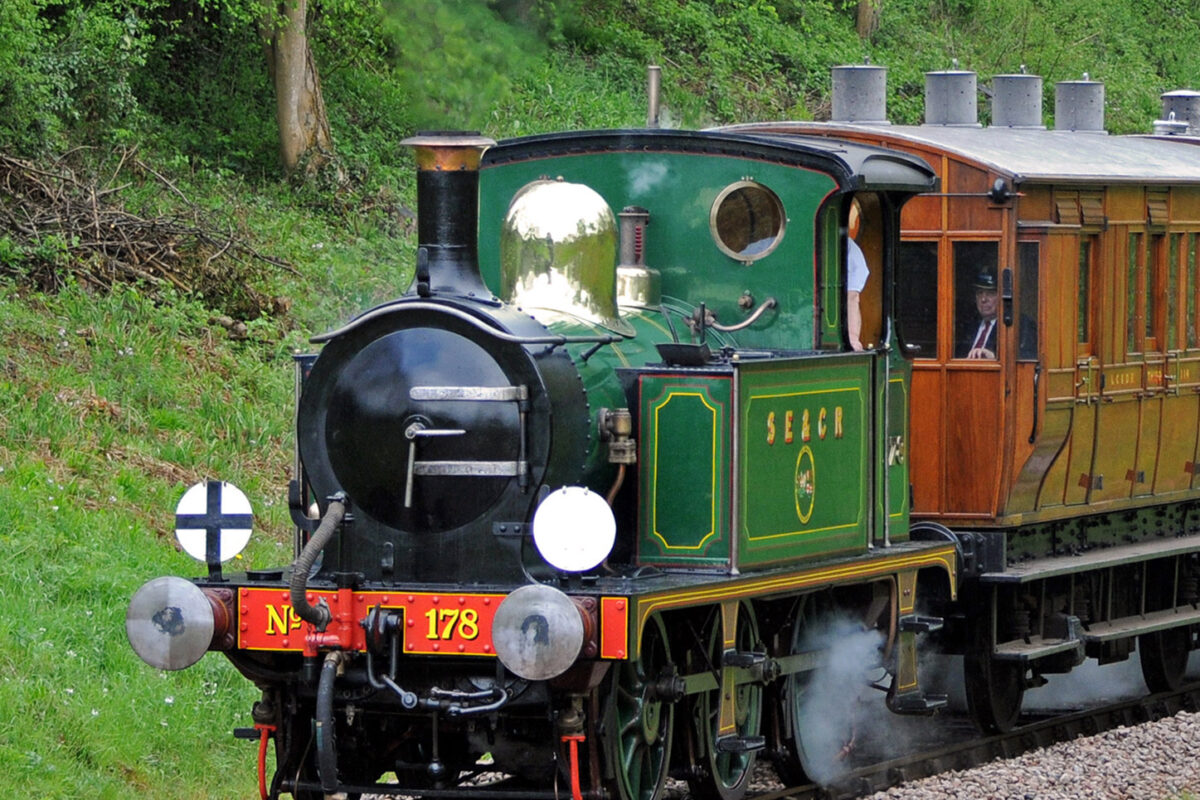
SECR Wainwright P-class, No. 178
The last of the four P-class tank locomotives to have steamed in preservation, 178 came to the Bluebell in 1969 after industrial service at Bowaters Paper ...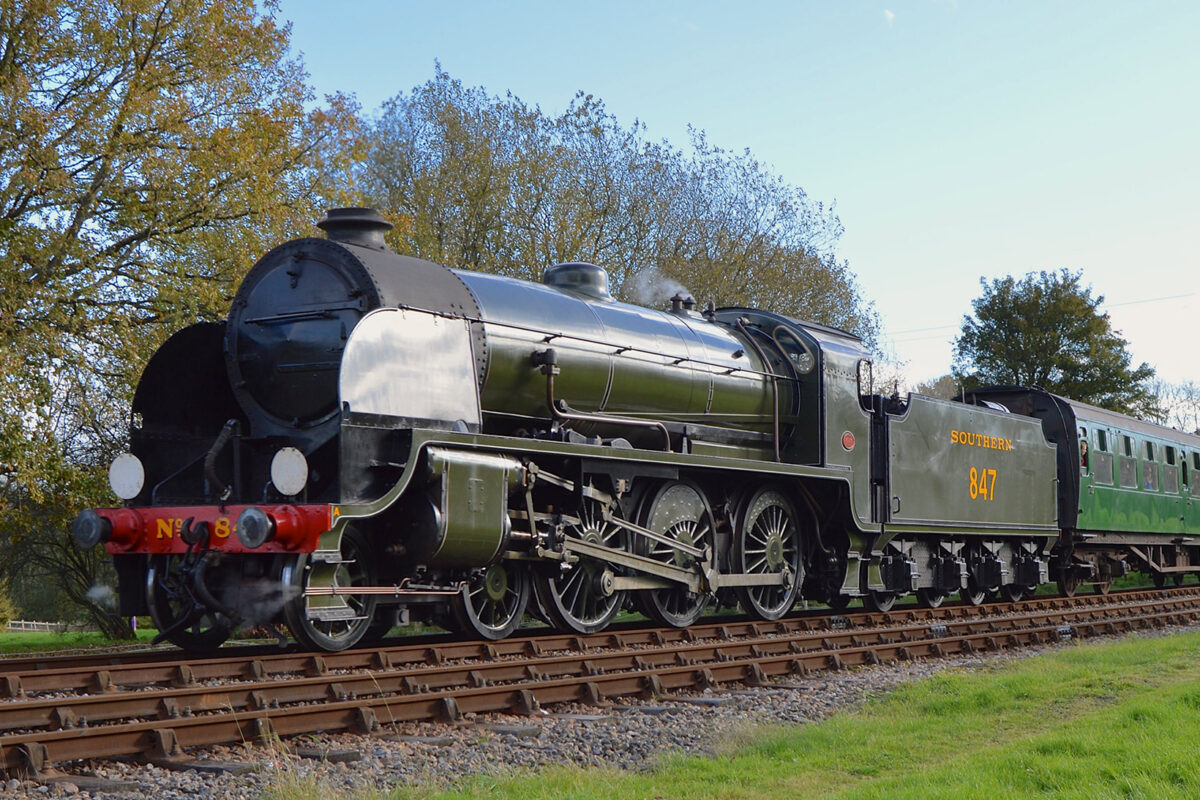
SR Maunsell S15-class No. 847
This class of locomotives, of which this was the final locomotive to be built, were essentially a goods version of the King Arthur class of express ...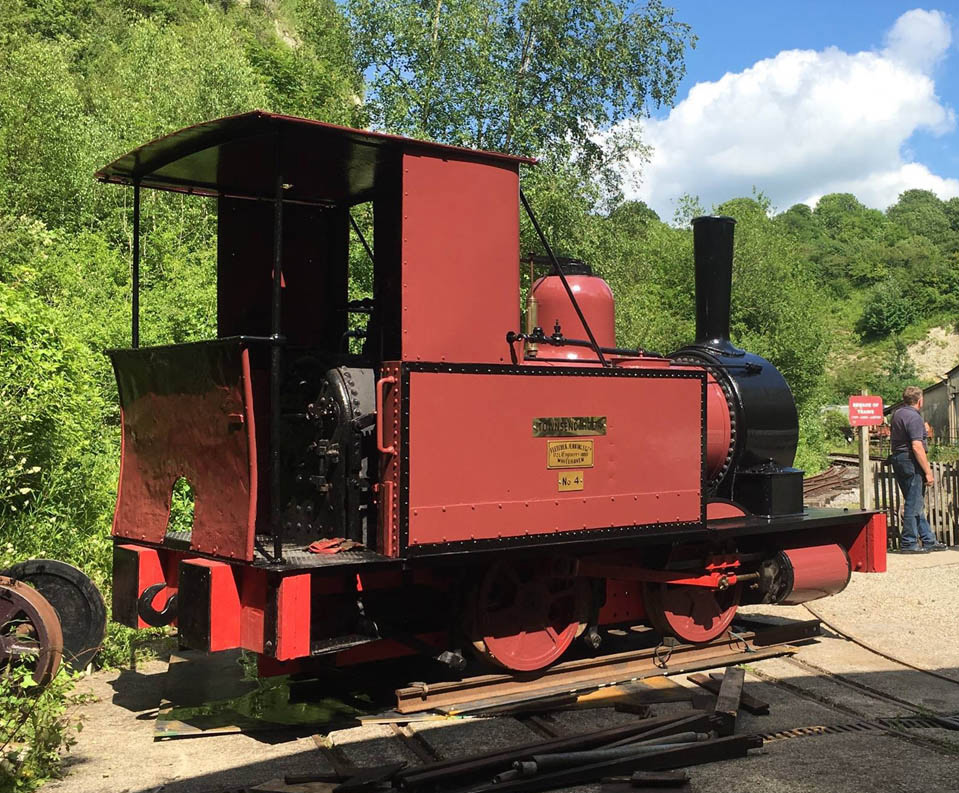
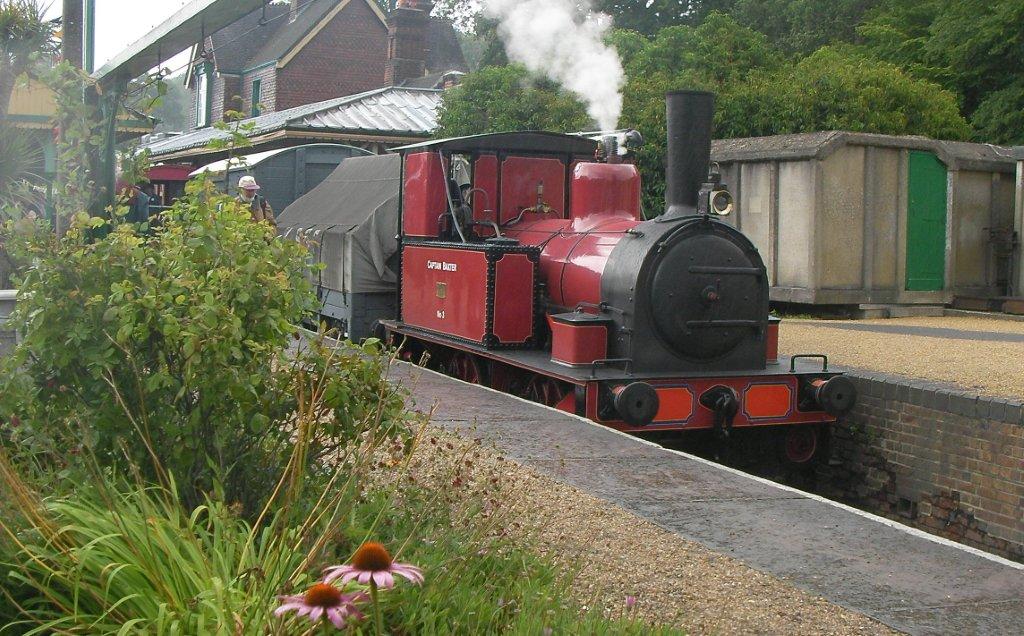
Dorking Greystone Lime Co. Ltd. No. 4 ‘Townsend Hook’
A scaled down version of ‘Captain Baxter’, this loco also spent its entire working life at the Betchworth quarry. It was the very first loco ...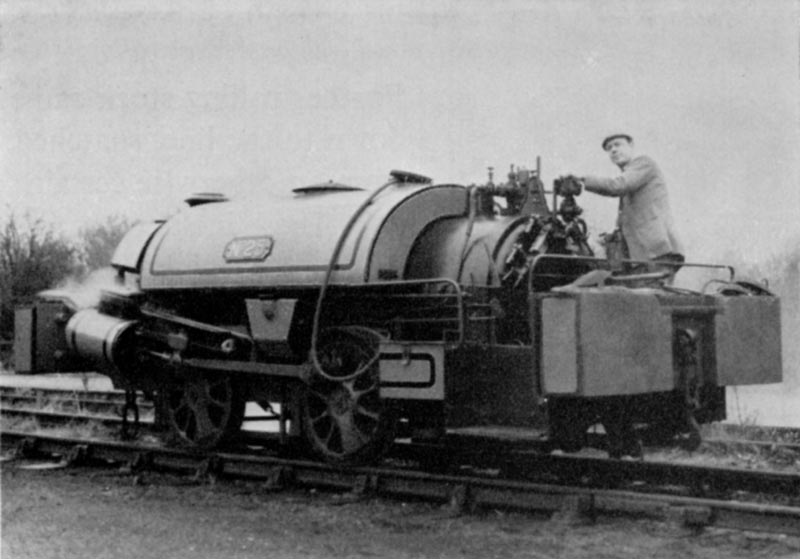
North Thames Gas Board Locomotive No. 25
This locomotive was housed temporarily on the Bluebell on behalf of the Industrial Locomotive Society. It had latterly been used in the Retort House ...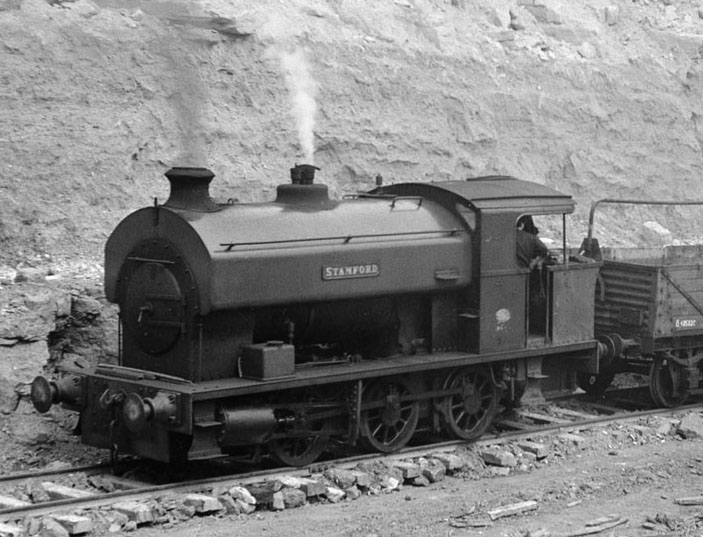
Avonside (Works No. 1972) Stewarts & Lloyds No. 24 ‘Stamford’
A rather more typical industrial locomotive than the others in the Bluebell’s collection, it has never been used on the Bluebell. At one time, ...
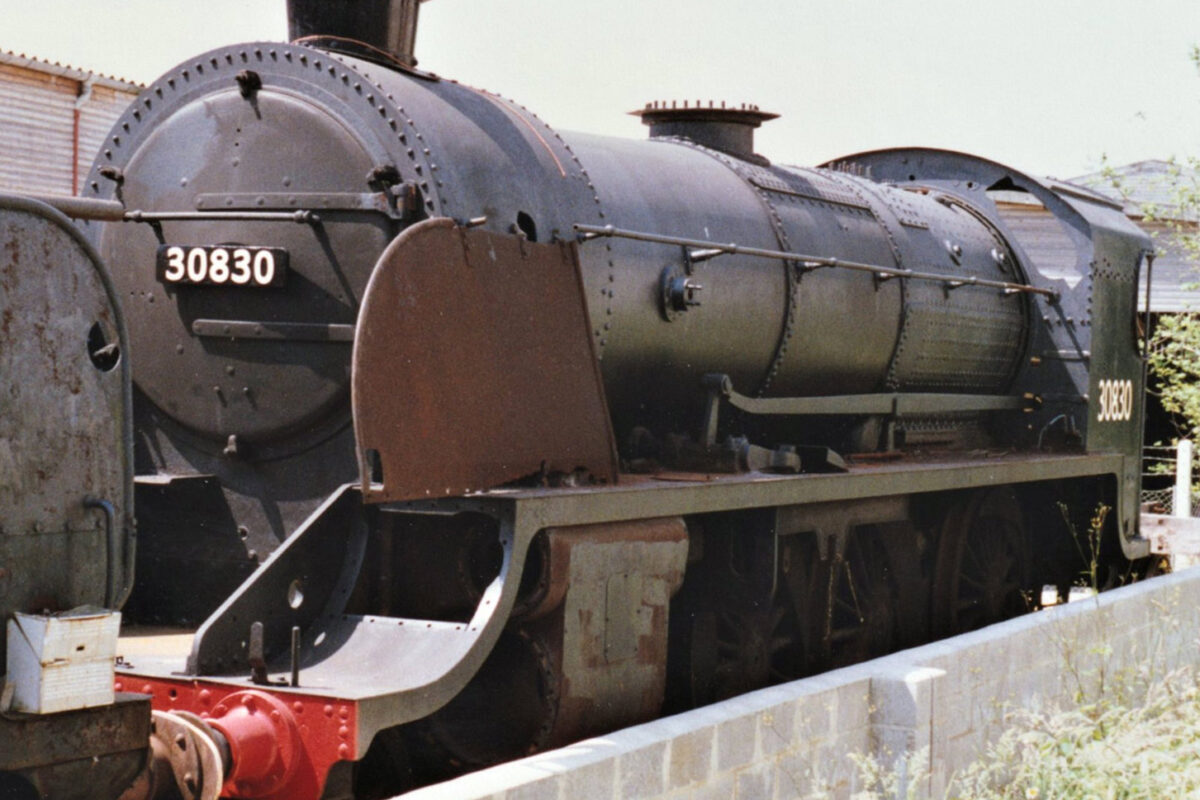
SR Maunsell S15-class No. 830
This class of locomotives were essentially a goods version of the King Arthur class of express passenger locos (N15). The S15s thus became known as Goods Arthurs. ...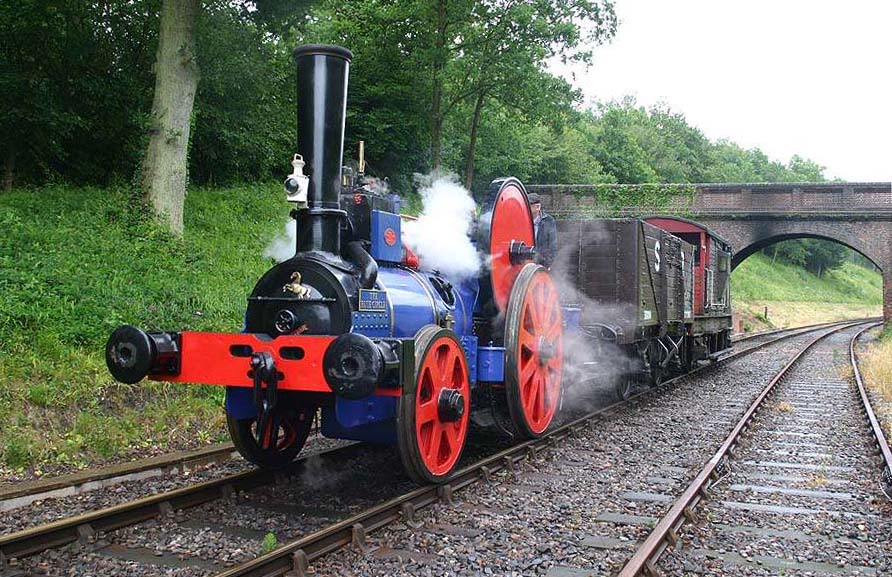
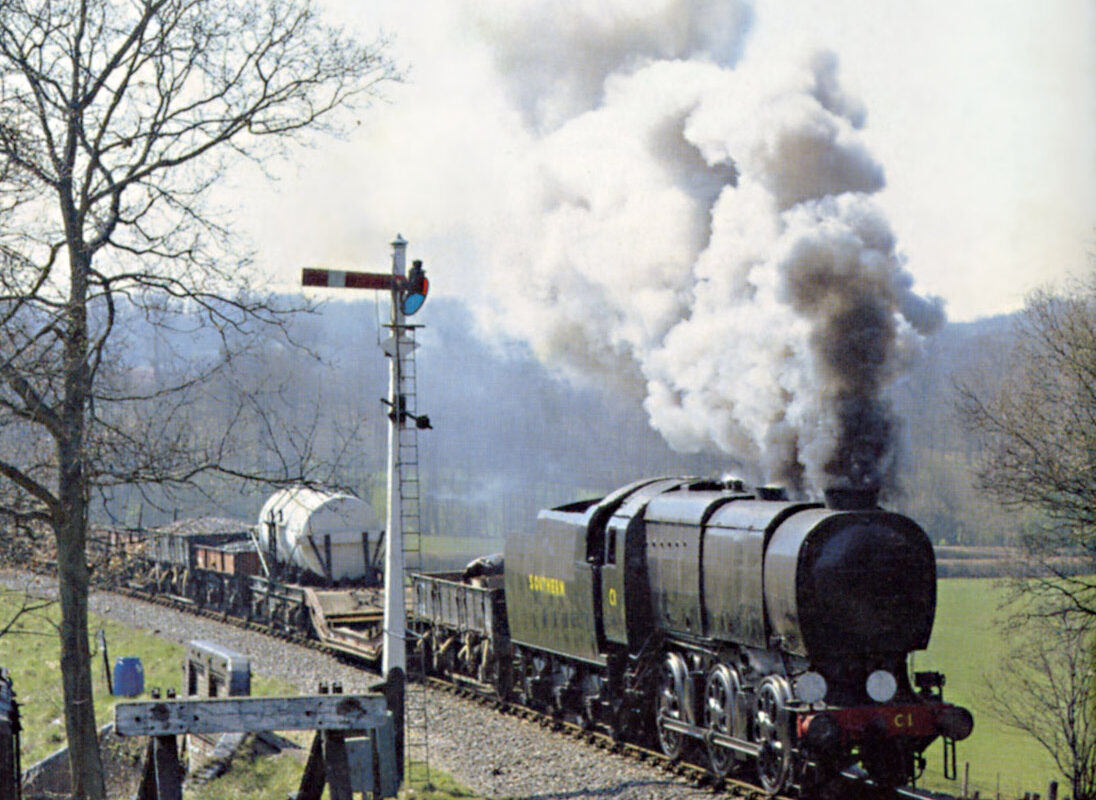
SR Bulleid Q1-class, No. C1
Known by their nick-name of Charlies this class of locomotives was designed as a wartime economy locomotive by Bulleid, making use of already existing patterns for ...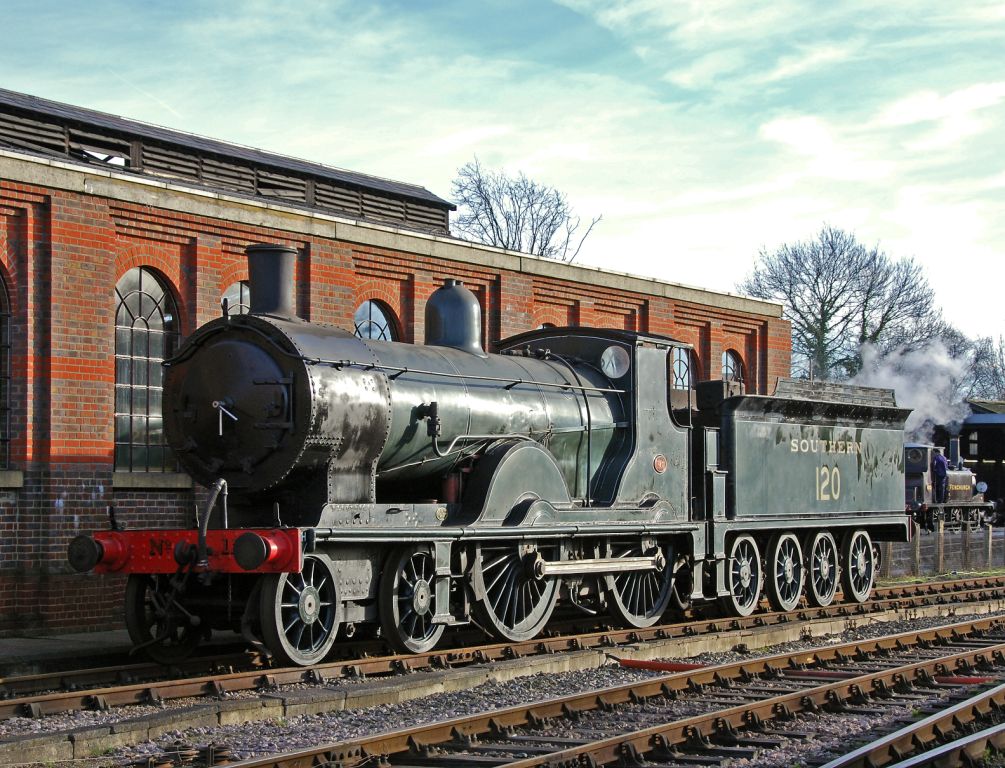
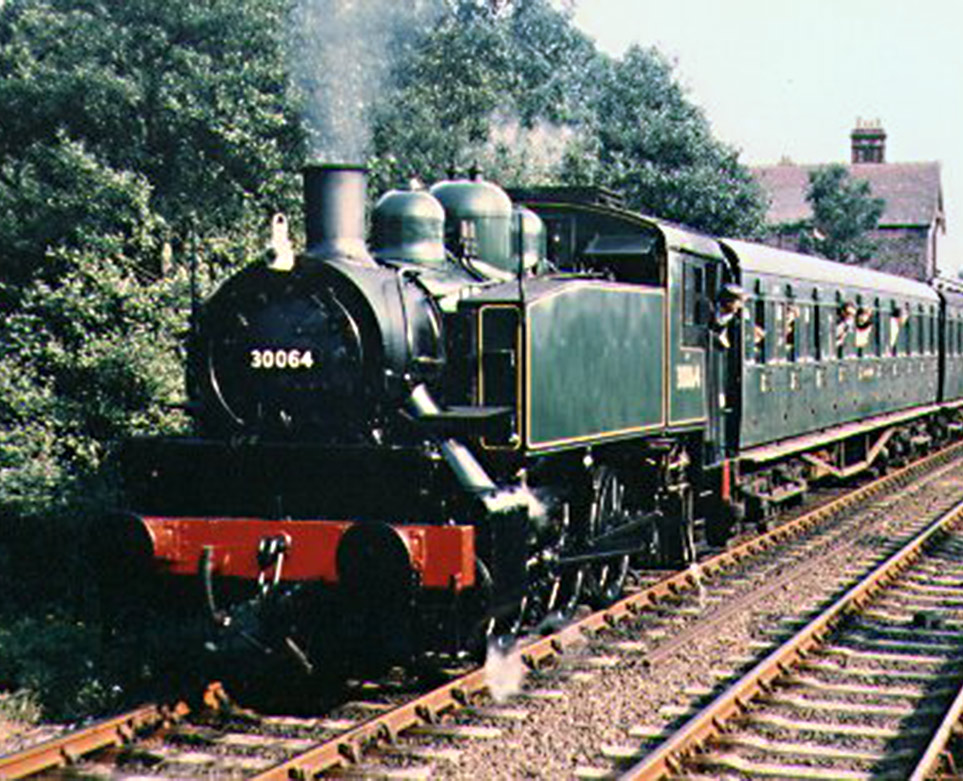
SR “USA” class Dock Tank No. WD 1959 (BR 30064)
Built to the designs of the US Army for wartime shunting requirements, this loco was one of several sold off as surplus after WWII ...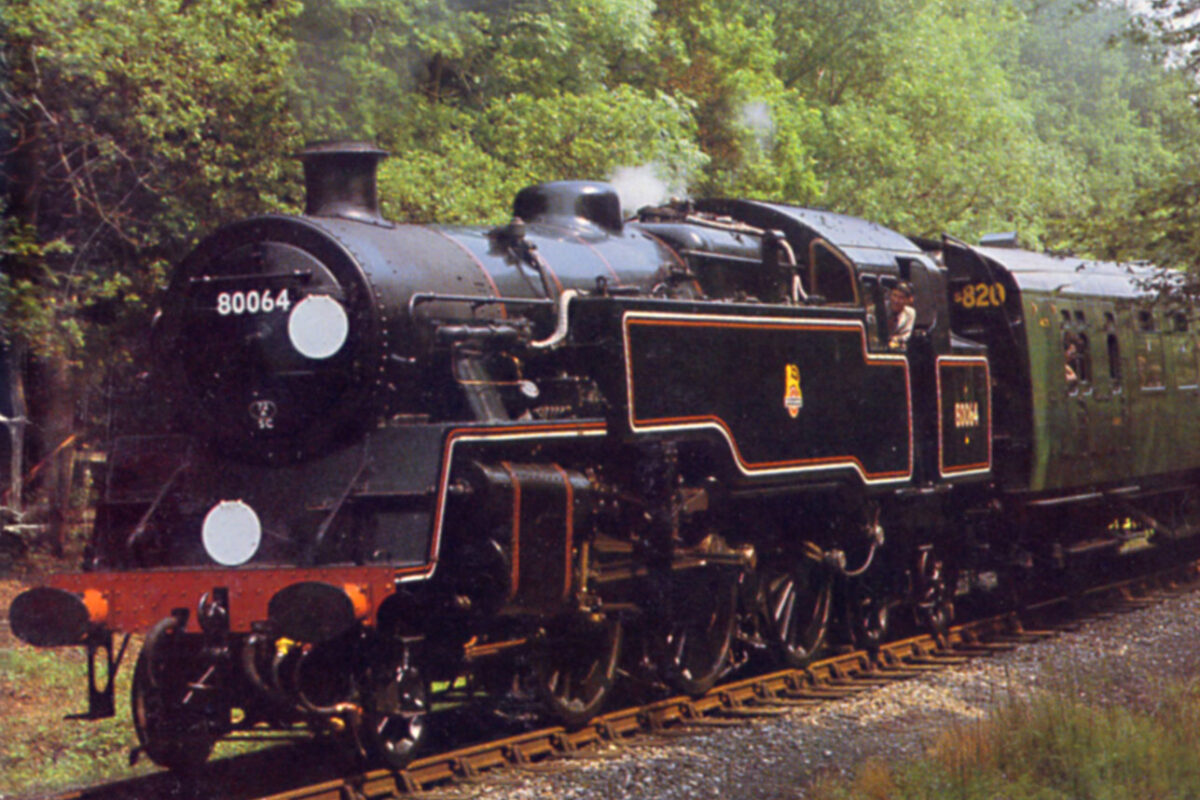
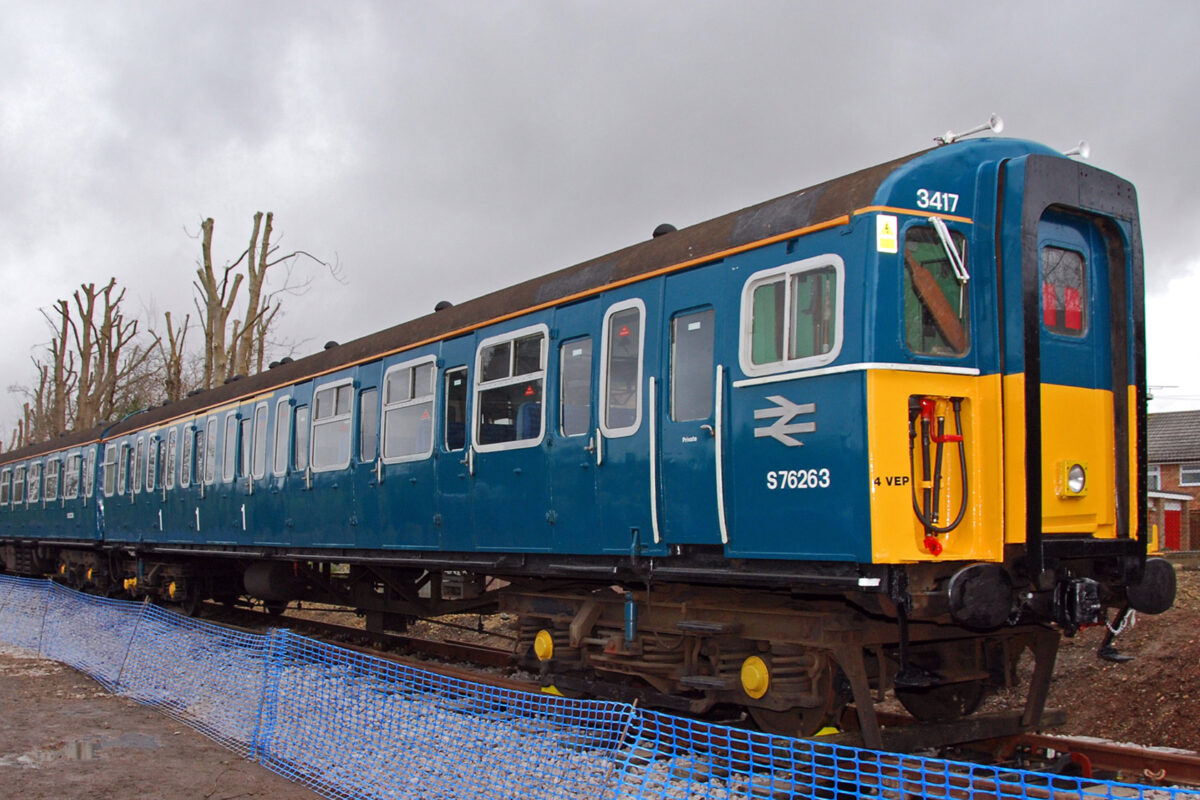
BR(S) 4 Vep unit 3417 ‘Gordon Pettitt’
3417 was formally handed over by South West Trains to the Bluebell Railway on Saturday 17 January 2009 at a ceremony at East Grinstead. ...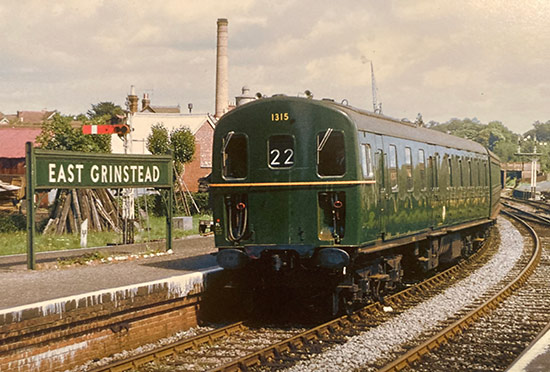
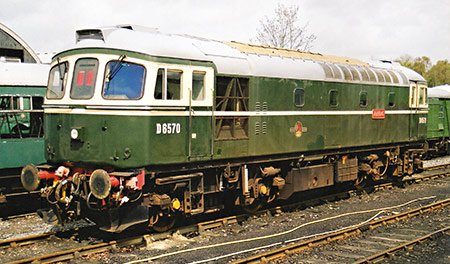
BRCW Type 3 “KA-2B” (Class 33/0) D6570 ‘Ashford’ (33052)
Class 33 locomotives were not just a specific Southern Region class, but were closely associated with services at East Grinstead in the early 1960s, ...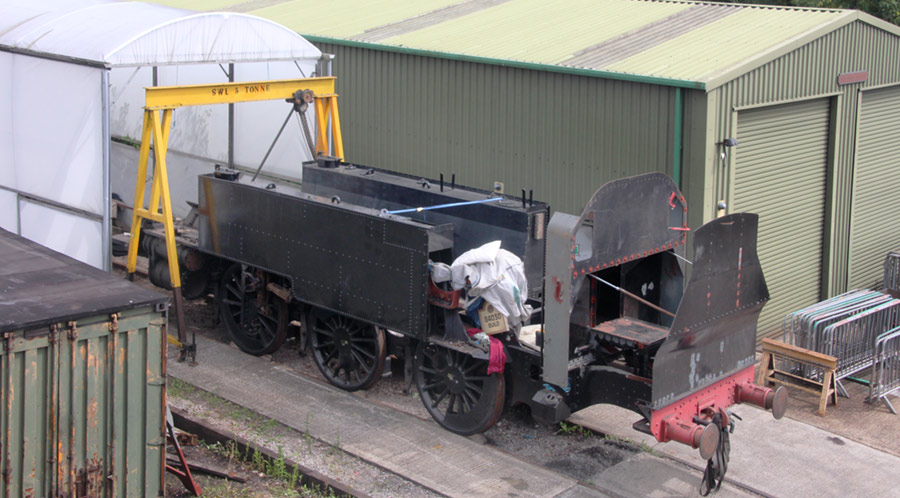
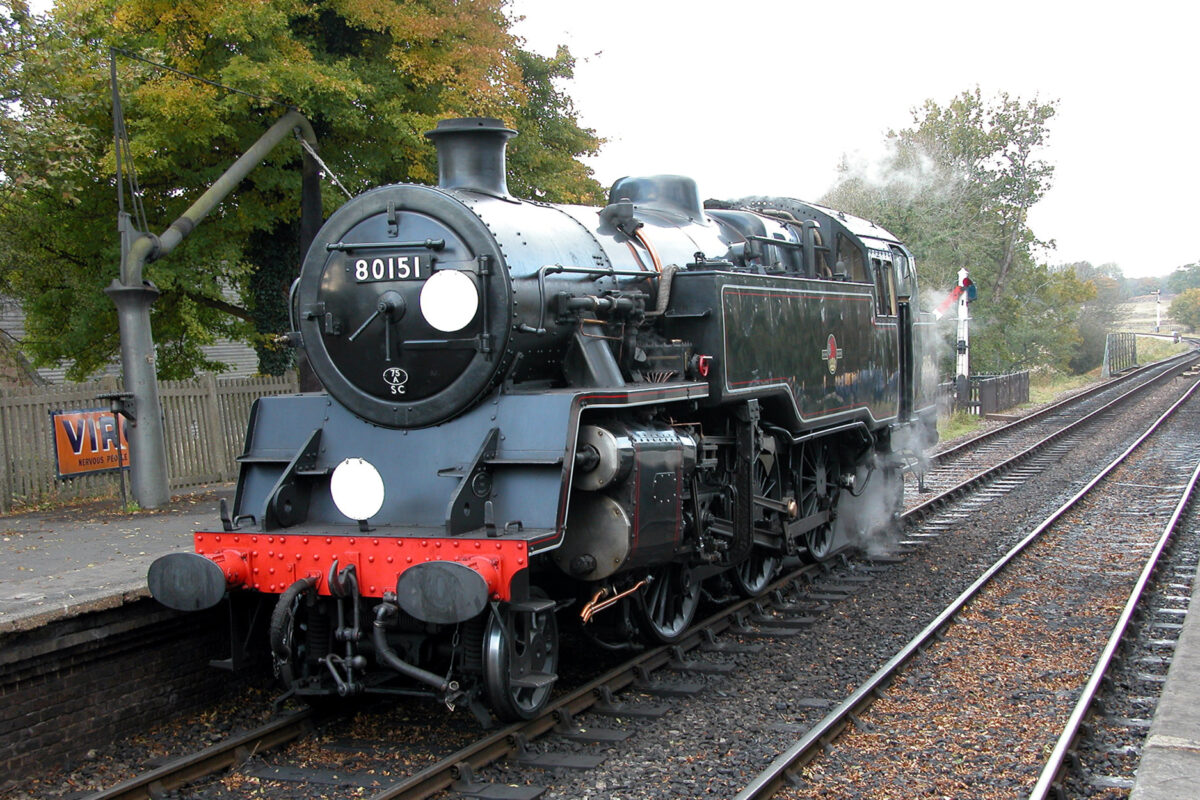
BR Standard Class 2 No. 84030
The photo shows the new side tanks in position on 84030’s extended frames, on 18 July 2023. Since then work has progressed on construction ...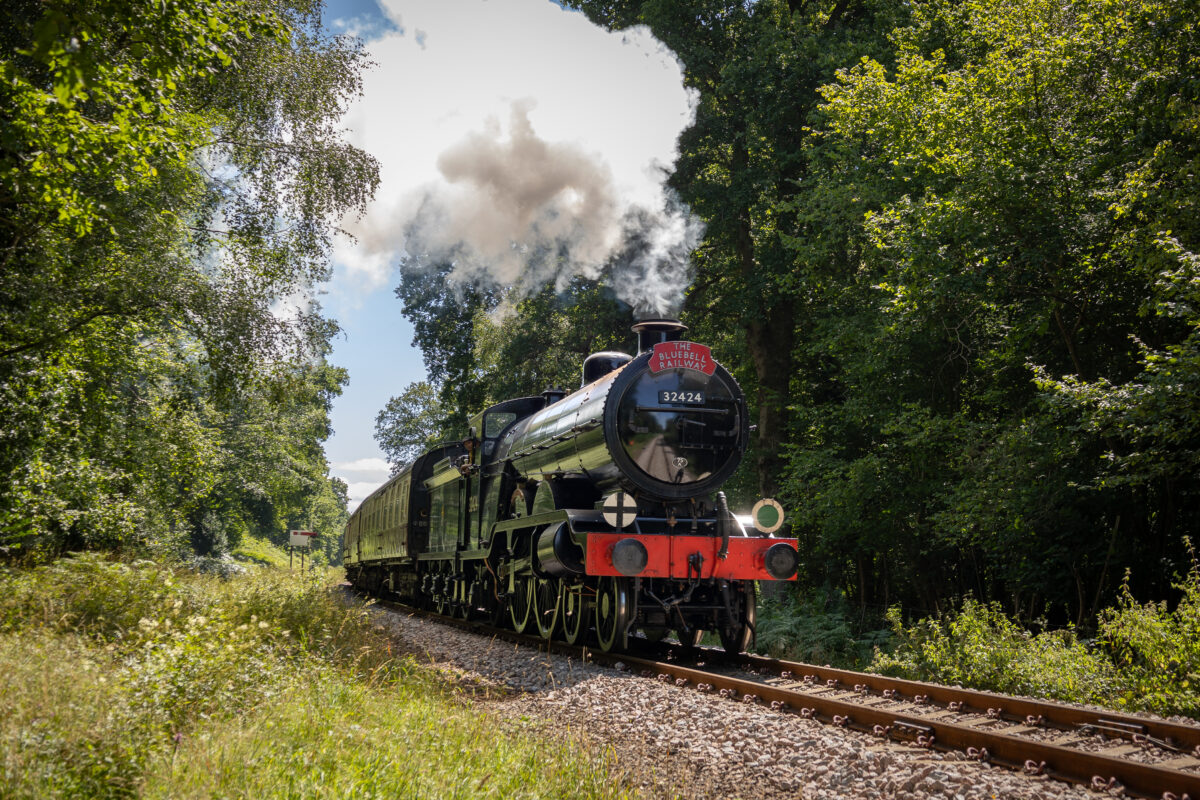
LBSCR H2-class Atlantic No. 32424 ‘Beachy Head’
This magnificent locomotive is the result of our project to reconstruct a Brighton H2 Atlantic based on SR/BR period “Beachy Head”. It is based ...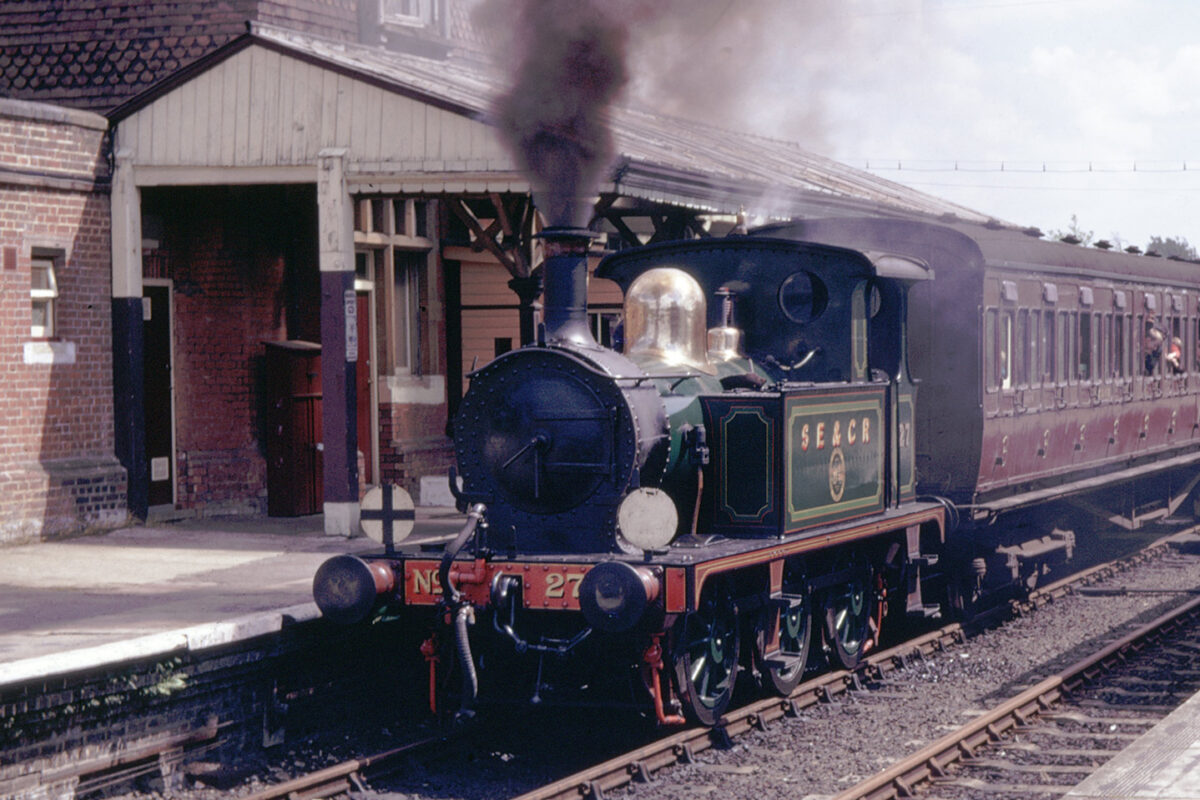
SECR Wainwright P-tank, No.A27
The P-class tank locomotives were, in design terms, an updated copy of the LBSCR Terriers. Coming to the Bluebell in 1961, for two years ...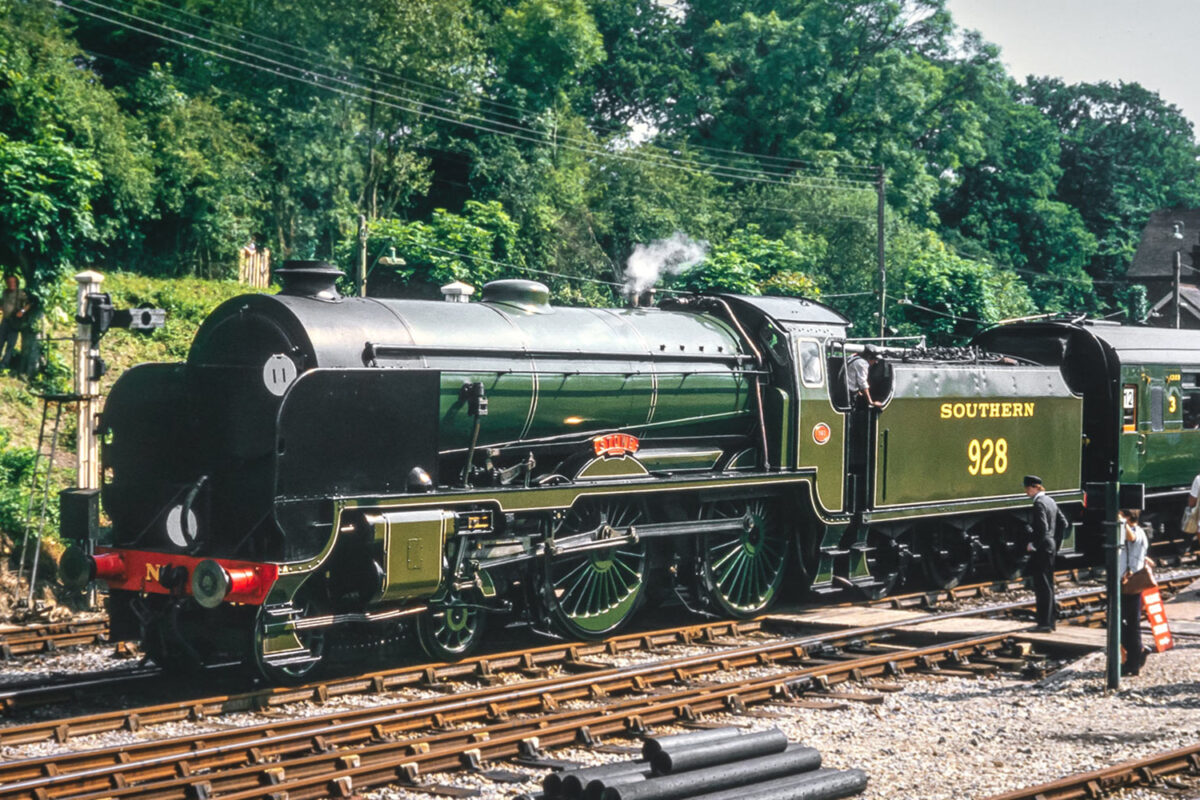
SR Maunsell Schools-class, ‘Stowe’
The final development of the classic express 4-4-0, the Schools class were designed originally for the Hastings line with its restricted loading gauge, but ...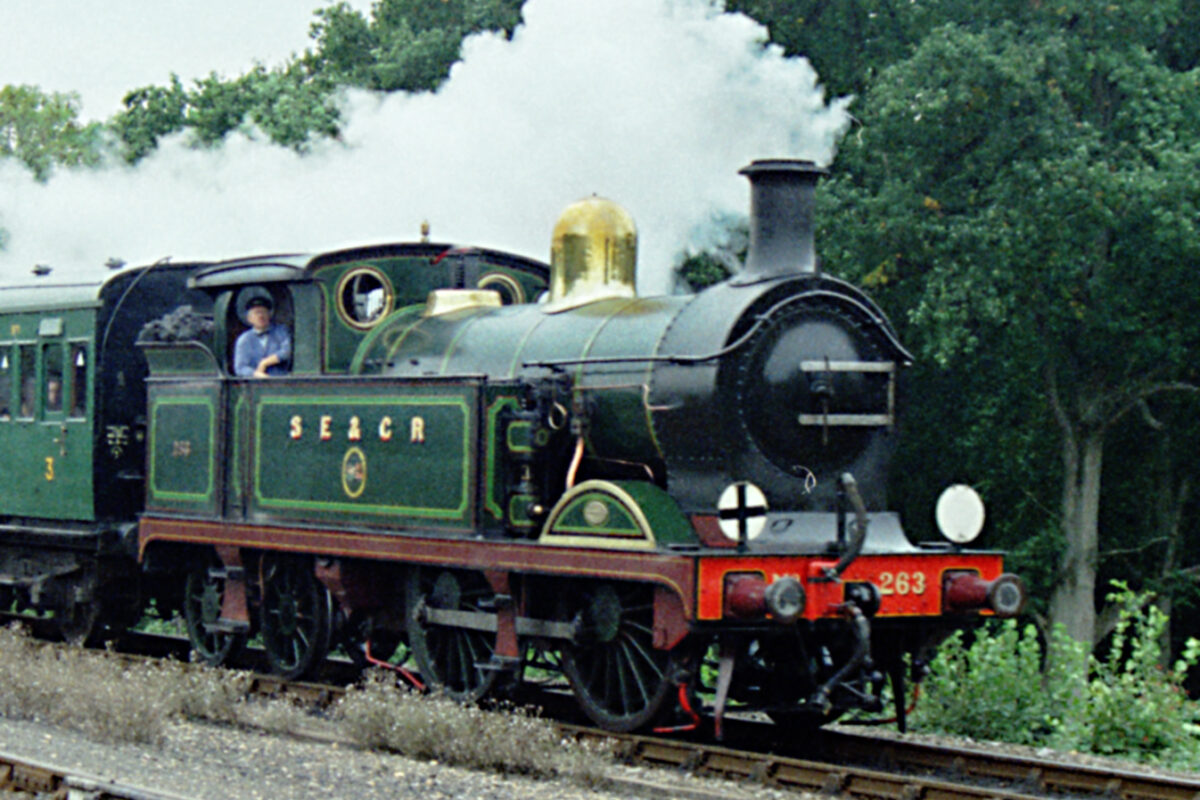
SECR Wainwright H-class No. 263
Built as the standard loco for the SECR’s suburban services, the H-class were a popular loco in later years for services on rural branch ...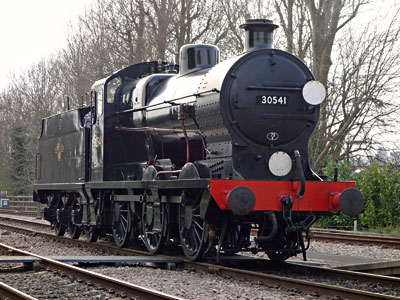
SR Maunsell Q-class No. 541
Built as a basic goods engine to replace life-expired pre-grouping locomotives, this was Maunsell’s final design as Chief Mechanical Engineer of the Southern Railway. ...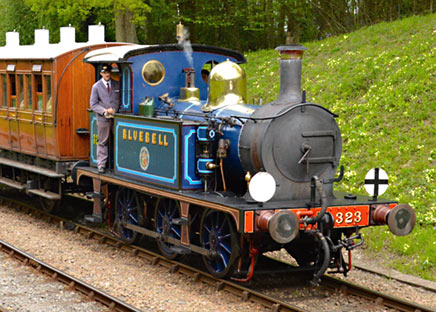
SECR Wainright P-class, No. 323 ‘Bluebell’
Long the flagship of the Bluebell’s fleet, painted blue and named ‘Bluebell’ between 1961 and 1998, this loco was repainted into SE&CR wartime plain ...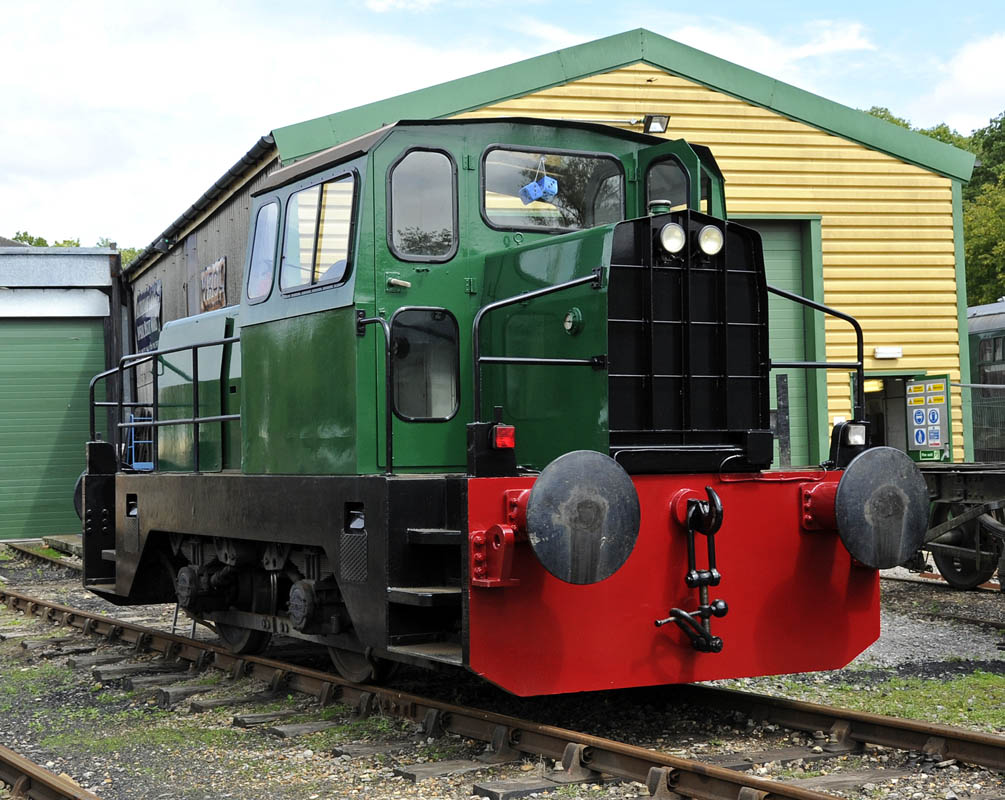
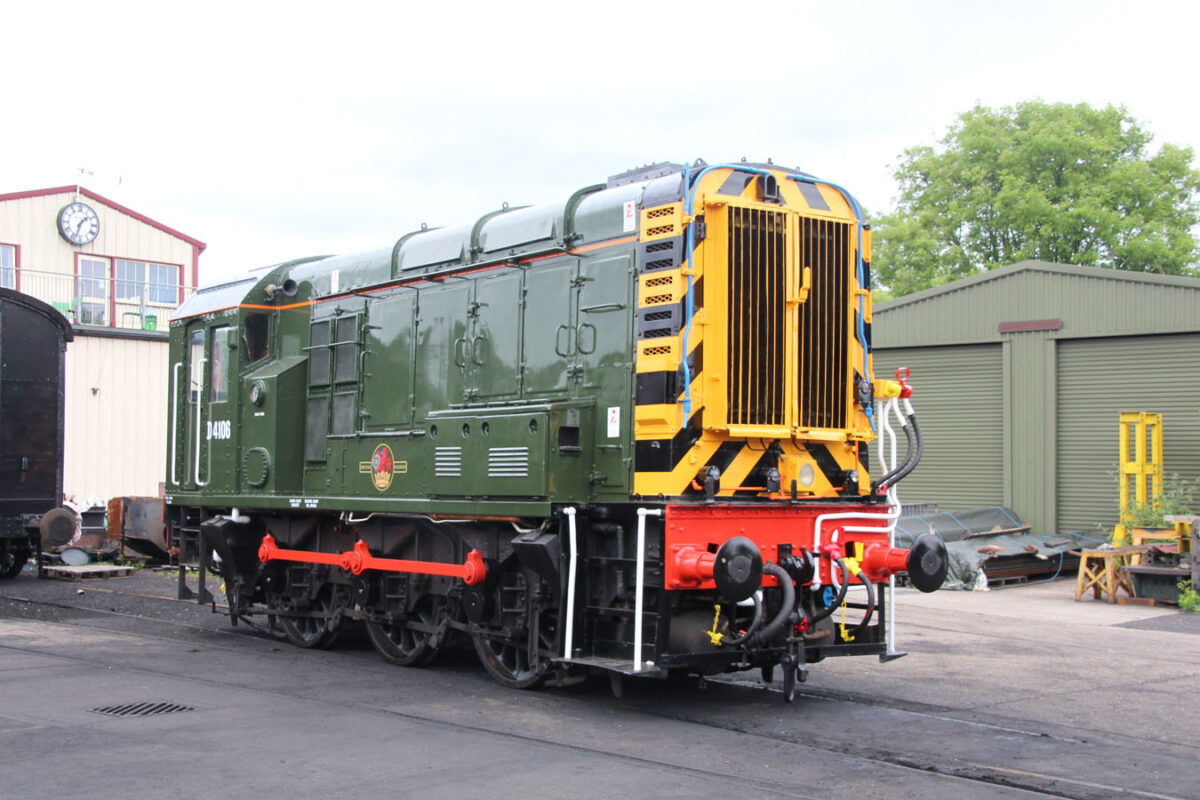
BR Class 09 Diesel Shunter D4106
The 09 class of diesel-electric shunters were a Southern Region version (of which only 26 were built) of the ubiquitous 08 class of 350HP ...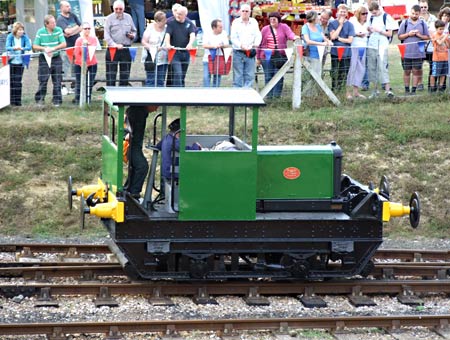
Howard Petrol-engined Locomotive
Built by Howards in 1926, No 957 was used to shunt their agricultural implement and railway wagon factory sidings in Bedford. The Britannia Iron ...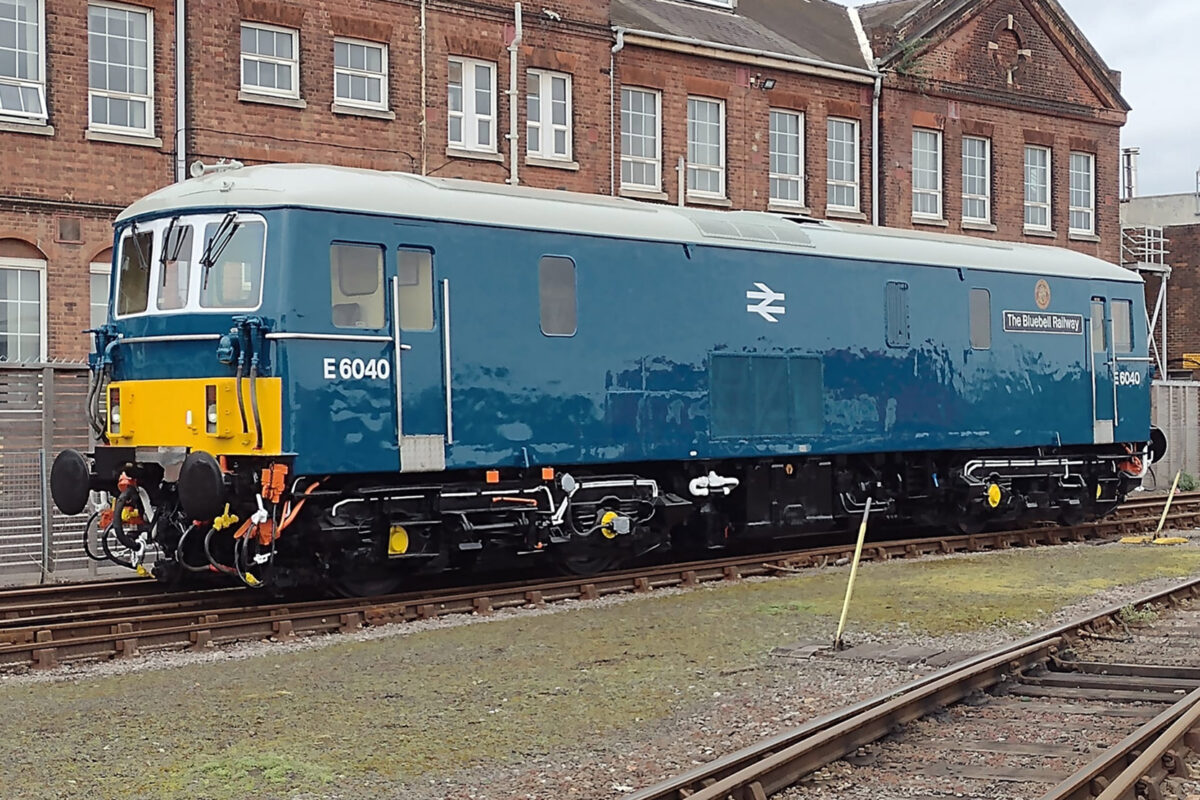
BR Class 73 (JB) Electro-Diesel E6040 ‘The Bluebell Railway’
Known latterly as Class 73s, these were electric locomotives for the Southern Region’s third-rail system, but incorporating a 600 hp diesel engine, similar to ...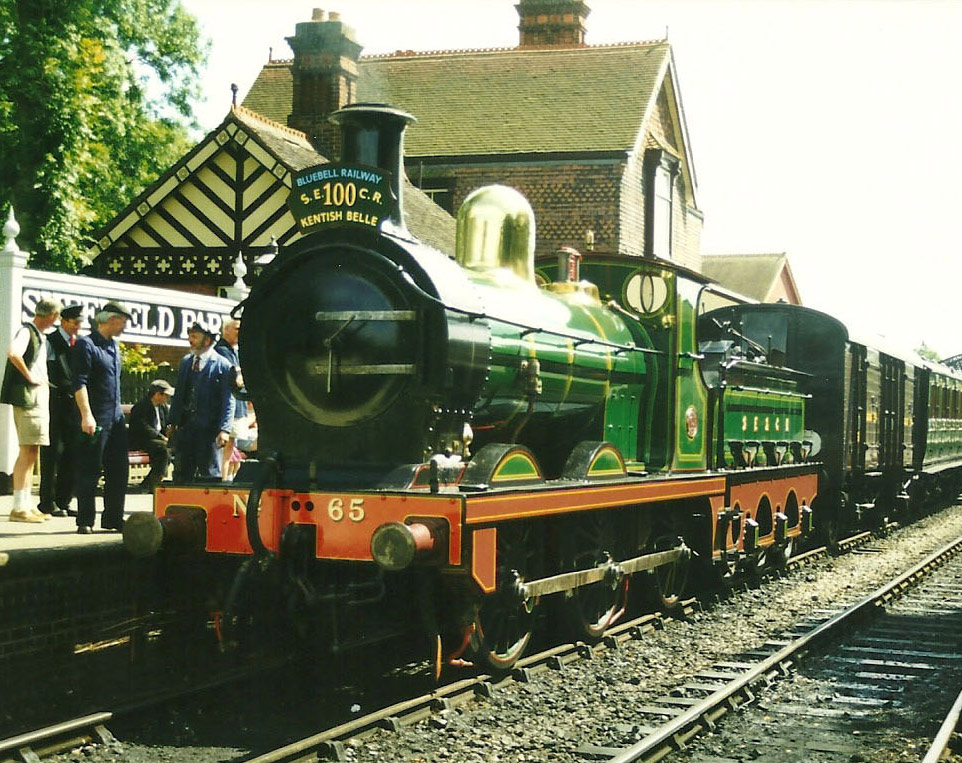
SECR O1-class No. 65
Built at Ashford as an ‘O’ class locomotive to a design already 18 years old, it received a rebuild to class ‘O1’ in 1908, ...